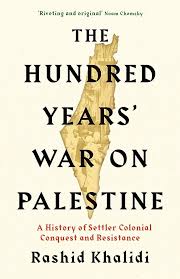
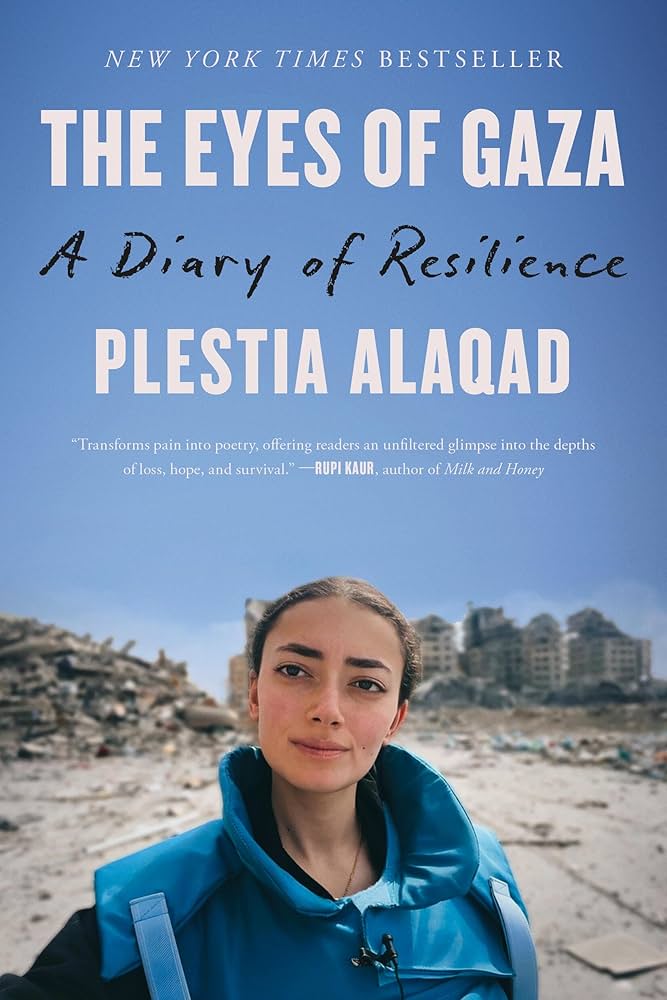
Required reading, and I hope we keep hearing more Palestinian voices directly. Alaqad's central claim stays with me: what's reaching us through media and social platforms is maybe ten percent of what's actually happening on the ground. She asks the reader not to receive Palestinians as victims but as people — with hopes, with aspirations, with a right to a normal life in their homeland.
One of my first corporate jobs was at a social media company, doing data entry for a machine learning model built to detect violent content. For weeks I spent my days reviewing ISIS material — decapitations, burnings, infants with catastrophic injuries. I say this only because it means I'm not desensitized to what humans are capable of, and what humans are doing right now. It is not an abstraction to say that as I was reading this book, people were being bombed. Others were learning, in real time, that someone they love was gone.
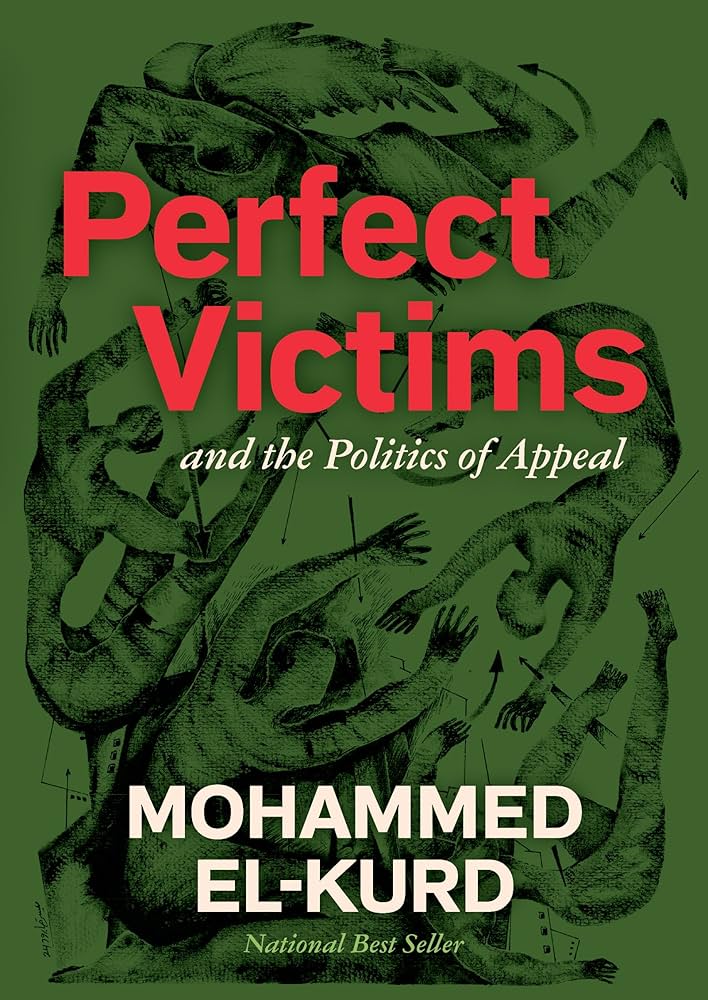
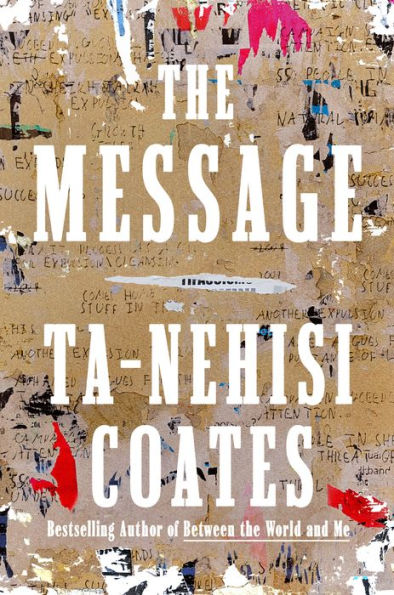
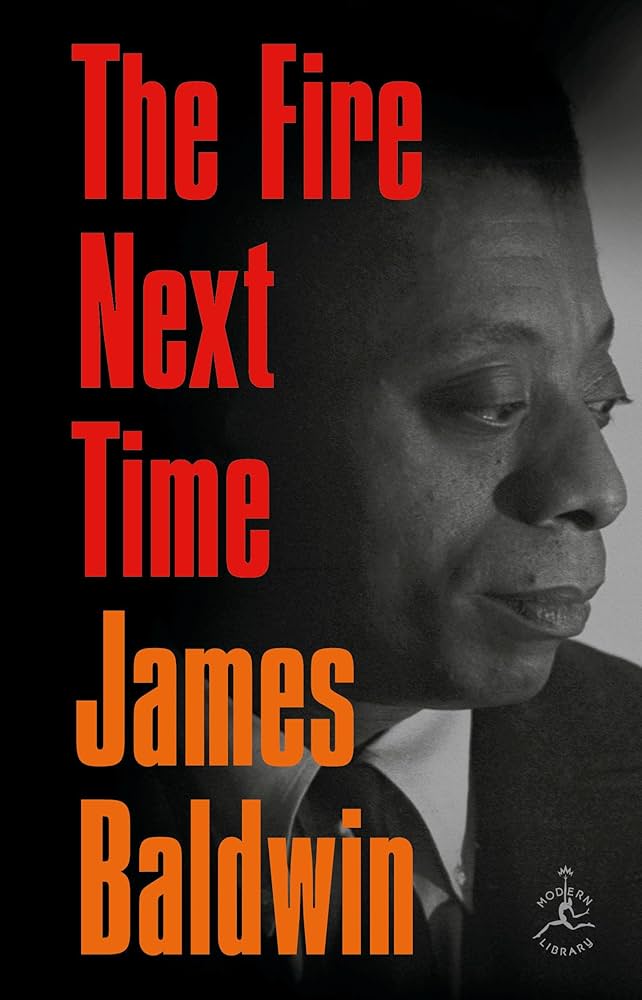
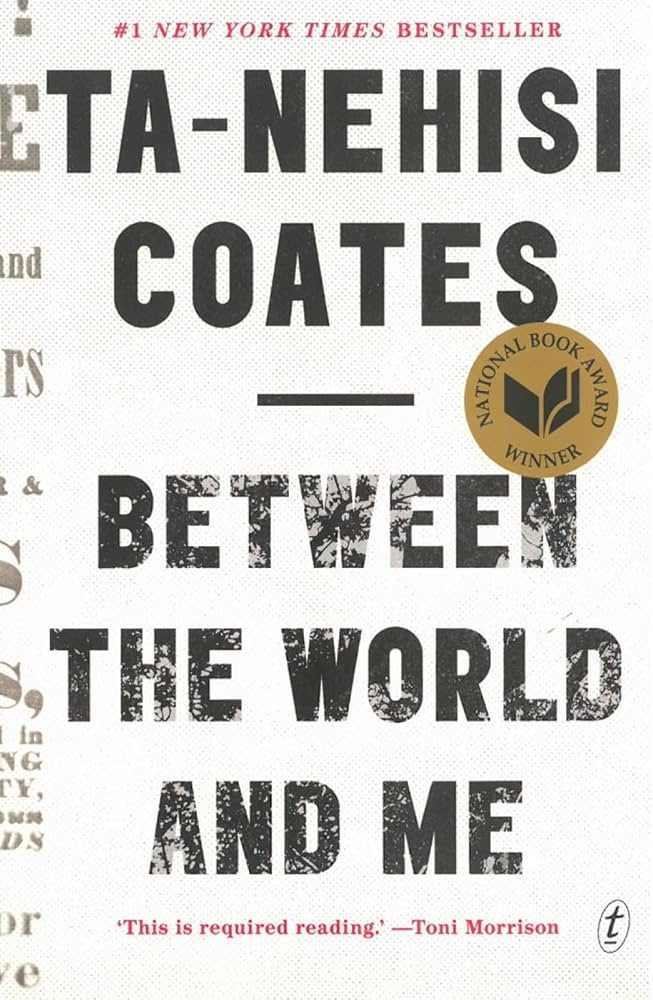
Coates writes that the job of the writer is to haunt the reader. Alaqad's diary haunts me. What's in it feels like a primal human reach for dignity and recognition. The grief in Gaza isn't only the grief of losing someone — many of the dead are buried under rubble, unfindable, unburiable, un-grievable in any of the ways grief usually moves. In nearly every genocide and mass atrocity there's the same pattern: the dehumanization of the "perfect victim," sometimes down to the body itself. Settlers mutilated Native American dead so families couldn't identify them. The erasure is the point.
If Alaqad is right that ten percent is what's reaching us, I think the most honest thing a reader can do is sit with that. Imagine the worst you can. Then imagine it five to ten times worse. Anything less is its own kind of dehumanization — a quiet refusal to fully reckon with the people on the other side of the number.
If I were suggesting a reading order for this topic, I'd start here.