Reading as a second career.
The books that earned a spot. The data I built when the reading had follow-up questions. The shops I bought them at.
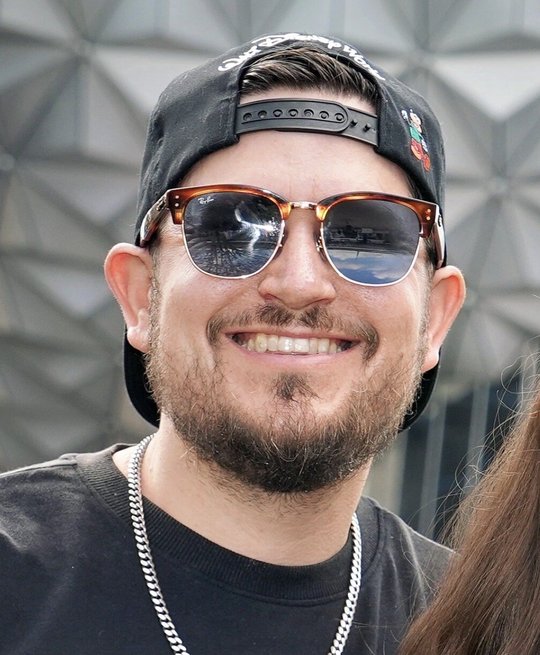
I came to reading late. Before that: drew sports stars as a kid, studied illustration at California College of the Arts, drifted out of making images into operations at Postmates and Twitter, labeling the data sets that trained early machine learning models. Taught myself what was then called UX. Have spent my working life since designing internal tools for healthcare.
12 Years a Slave is the book that did it. End of my two years in New York. It gave me an appetite for nonfiction and history I didn't know I had, and it taught me what a book is actually good for — hearing out someone you'll never meet, and taking them seriously enough to let them change your mind. That's what I'm reading for now.
❦Hearing out someone you'll never meet, and taking them seriously enough to let them change your mind.
What a book is actually good for
I've moved a lot. Each move has changed what I read.
- Born Los Angeles, California
- School Oakland → Berkeley → San Francisco
- Late 2021 Manhattan, New York
- 2023 Nashville, then Franklin, Tennessee
- Next year Chicago, Illinois
Nashville and Franklin sharpened the Civil Rights reading. Chicago is about to sharpen Black history, and a lot else besides.
Working in technology means spending a lot of time wondering whether the systems we build have empathy. The answer is mostly no. That didn't used to matter as much as it now does. AI is already being deployed, and will increasingly be deployed, in military contexts where substantial civilian death is expected. You can write a constitution for a model. You cannot write empathy into one — empathy takes time, and it costs something to build. Reading has been how I've been putting in the time.
None of this is a pitch for books as a substitute for the structural change society actually needs — a profit system that stops pretending empathy is optional. I'm not pretending reading solves that. But when a Palestinian journalist or a formerly enslaved man or a novelist writing about Appalachian poverty rearranges how you see a situation, that's related to the work. Not the whole of it. But related.
So this site keeps track. Books that earned a spot. Topics I've read enough on to speak about with any care. Dashboards I built when the reading made me want to see the shape of the numbers. And an invitation — if a book changed how you see something, tell me.
Read with me, or write back.
That's the whole picture. Books, dashboards, bookstores, and the person who keeps the list. Reach me at hello@heartslibrary.com if a book changed how you see something — I want to hear about it.